
1When to see a dentist
The earlier treatment starts, the simpler and cheaper it is: superficial caries is usually treated in one visit, while advanced decay may need root canal treatment.
2Caries or root canals
- We remove the damaged tissue
- We restore the tooth with a filling
- We clean the cavity thoroughly
- We restore the shape of the tooth with a filling
- We clean each canal under the microscope
- We fill the canals
- Then we restore the tooth
- Often allows the tooth to be saved
- We remove the old filling from the canals and treat them again under the microscope
- More complex and takes longer than the first treatment
If retreating the tooth is not worthwhile, it can be extracted and replaced with an implant. About implants →
Visits: usually 3–4The doctor will tell you exactly what your tooth needs after the examination and, if needed, an X-ray.
3How treatment works
- 1Examination and X-rayThe doctor examines the tooth and, if needed, refers you for an X-ray at our partner center Prime Dent. Then explains what needs to be done and tells you the cost.
- 2AnesthesiaFirst a numbing gel, then an injection with SuperPen or the VibraJect attachment, so you barely feel the injection itself. Classic anesthesia is also available.
- 3Rubber dam isolationA latex sheet separates the tooth from the rest of the mouth. Saliva does not get into the treatment area, and the filling holds tightly.
- 4Treatment under the microscopeUnder magnification we remove only what is damaged. If the nerve is inflamed, we clean and fill each root canal.
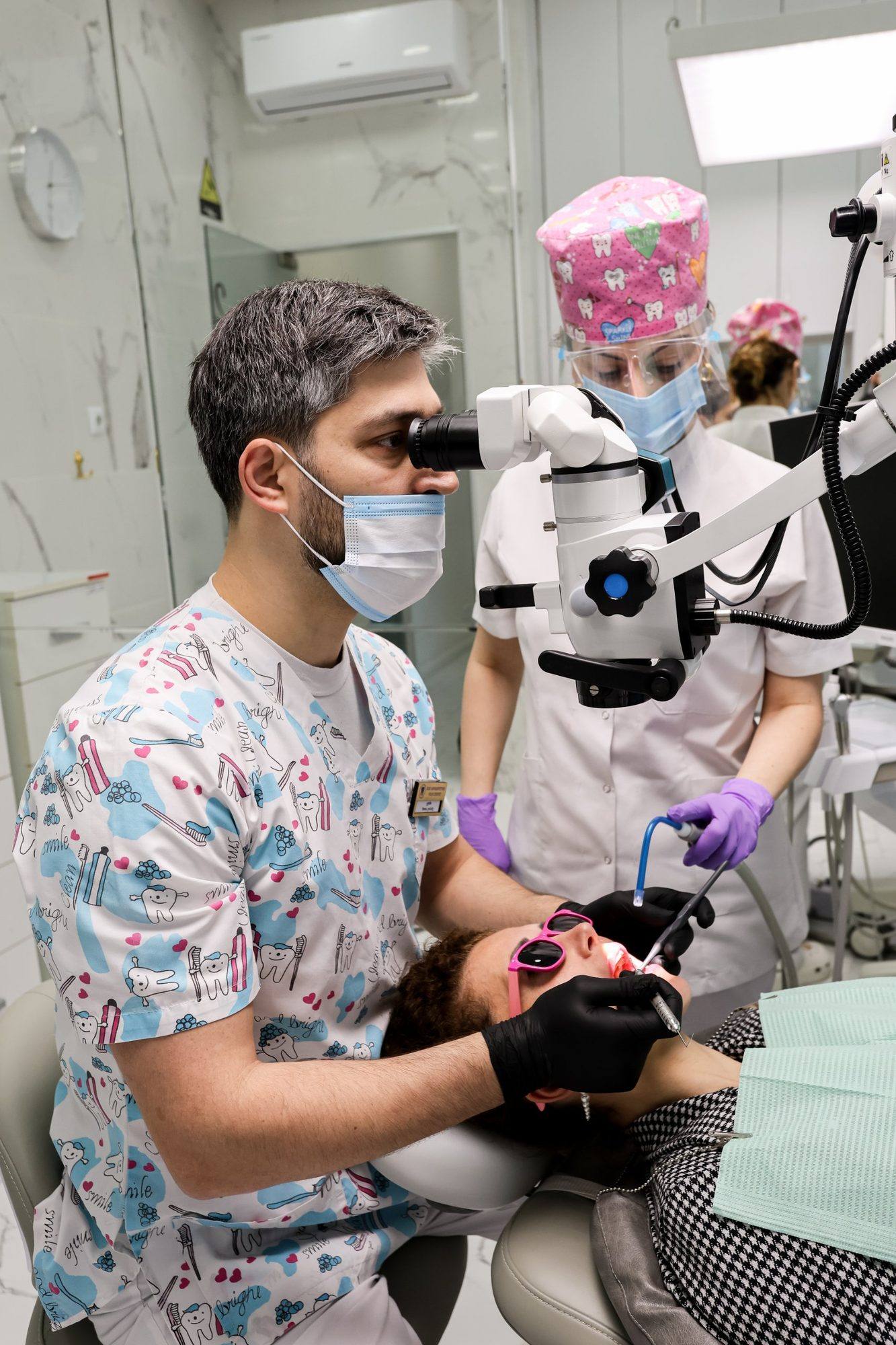

- 5Restoring the toothWe restore the shape of the tooth with a filling. After root canal treatment a tooth often needs an inlay or a crown; the doctor will tell you in advance.
If you need a crown or an inlay after root canal treatment, read more about them on the crowns page.
4Prices
5Treatment results
6FAQ
No. We treat under local anesthesia: first a gel, then an injection with SuperPen or the VibraJect attachment, so you barely feel the injection itself. Classic anesthesia is also available. Once the anesthesia takes effect, treatment is painless.
Under magnification the doctor sees the smallest details and removes only what is damaged, while the healthy part of the tooth stays. It takes longer but is gentler on the tooth.
Treating superficial caries takes about an hour, regular caries about an hour and a half. Root canals are usually treated over 2–4 visits; the doctor will tell you more precisely after the examination and X-ray.
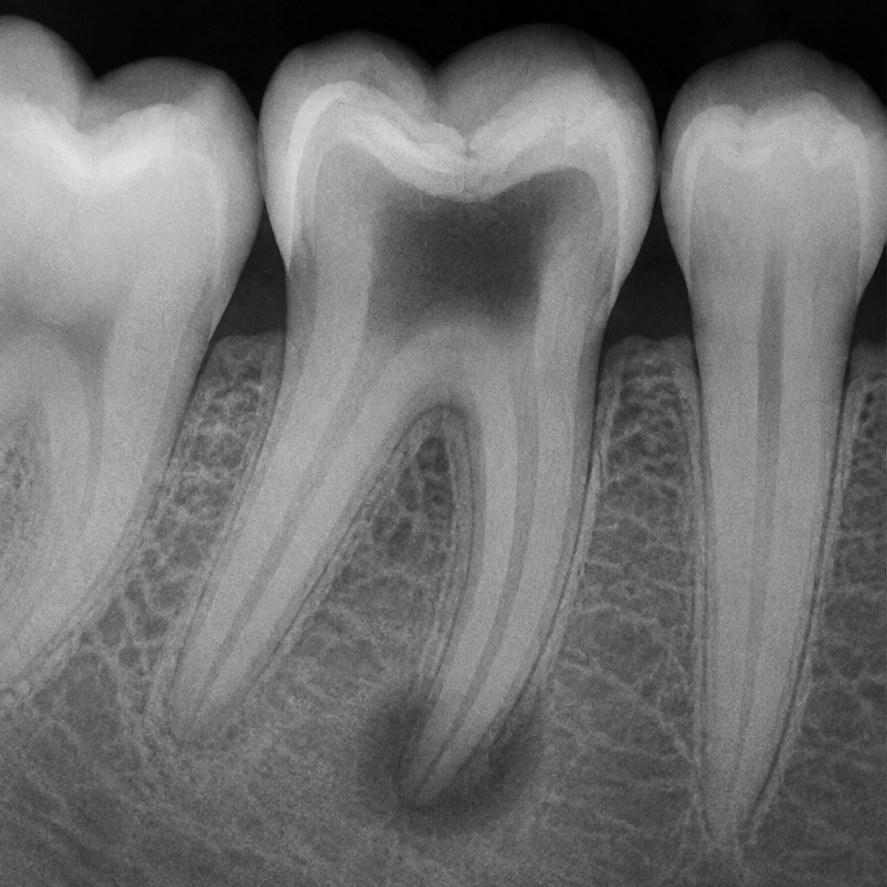
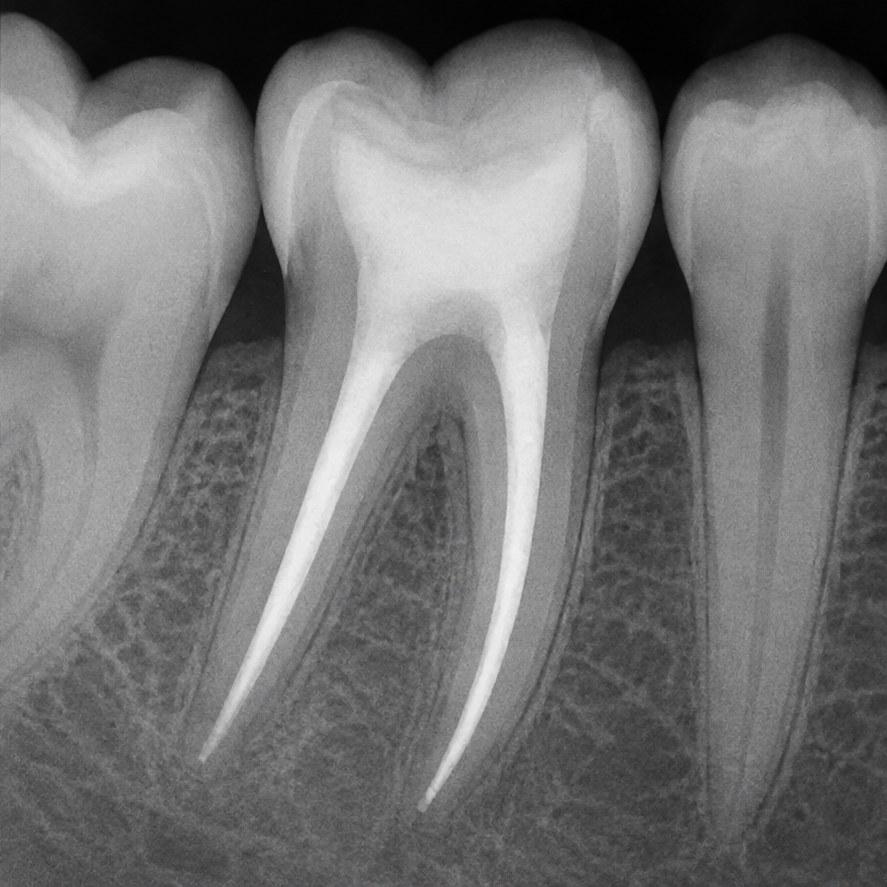
Often, yes: we treat the root canals and the tooth keeps serving you. If the X-ray does not show whether the tooth can be saved, the doctor carefully opens access inside and assesses its condition.
If the canals were treated before but the inflammation has come back. The doctor removes the old filling from the canals and treats them again, which often saves the tooth. If retreatment makes no sense, the doctor will suggest extracting the tooth and placing an implant.
Often, yes: without the nerve the tooth becomes more brittle, and a crown or inlay protects it from chipping. The doctor will tell you in advance whether you need one.